


Overall Narrative
Gender-based violence and the climate crisis share common systemic origins, making gender and climate injustice two facets of the same oppressive reality. The world's rigged and oppressive systems – capitalism, patriarchy, and colonialism - are exploiting both women and the planet, solely for their own economic and political benefits. This is resulting in the climate crisis and systemic gender-based violence.
Both crises, driven by rich, powerful men, threaten life and rights. Women's and girls' rights, the rights of people of diverse gender identities and expression, and the rights of nature are today under systematic and normalized violence. Despite marginalized communities being disproportionately affected by these crises, their specific needs and interests are not adequately captured in climate action policies and plans.
Climate justice means addressing the climate crisis not merely as an environmental problem but as a complex social justice problem. It means coming together to push for and amplify a feminist approach to climate justice.
There is no climate justice without gender justice, and there is no just climate transition without the feminist movement.

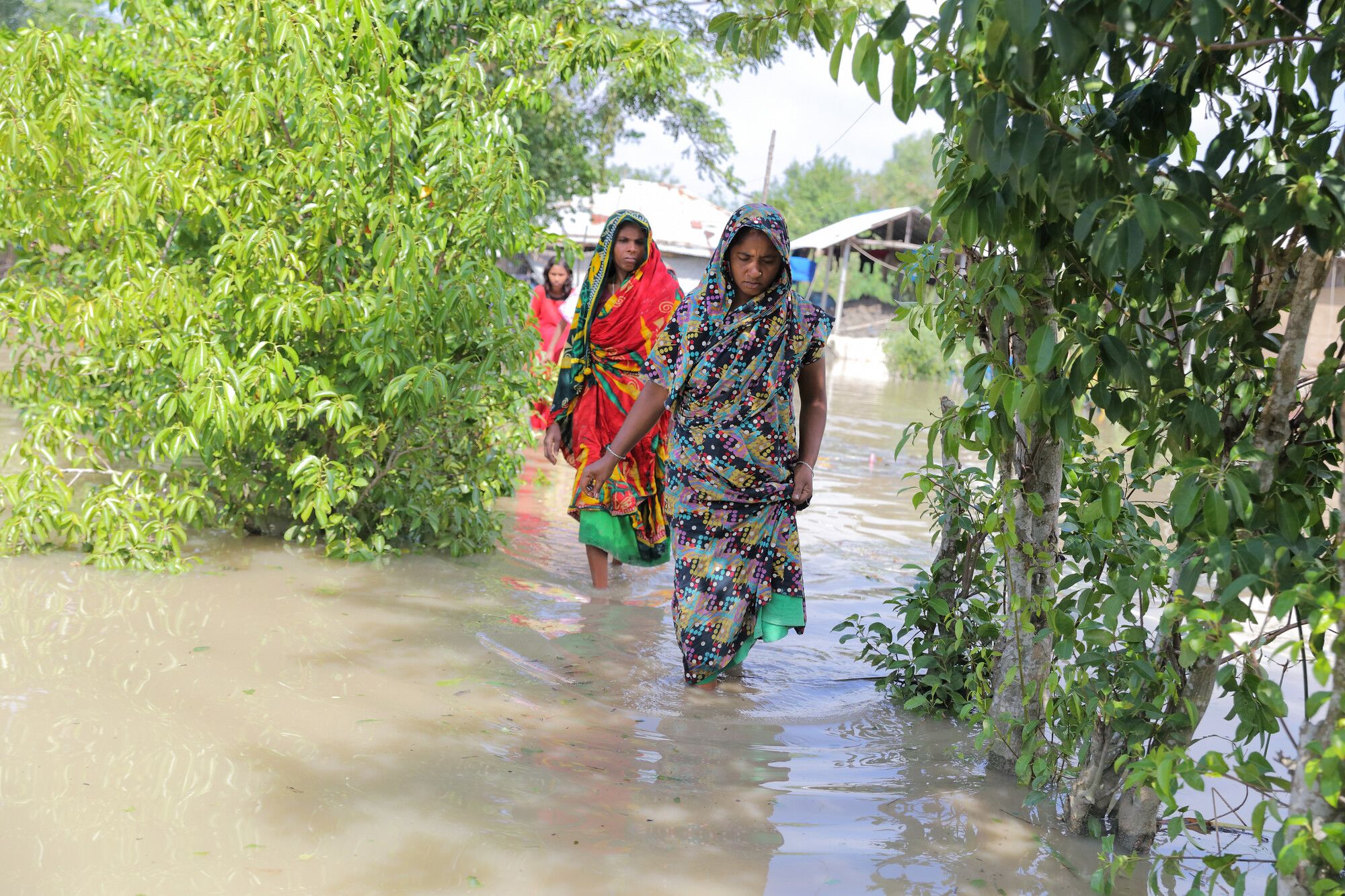
What Is The Problem?


For so long, the cis-hetero patriarchal, white supremacist, and capitalist systems worked together to deprioritize women, girls, and non-binary people, creating systemic gender-based violence through laws and policies that do not serve justice to gendered minorities. With those communities at heightened risks during the climate crisis, it’s time that we create a systemic change that is feminist, decolonial, and just.
A feminist approach to climate justice means that we address the issue of climate change as a complex social issue and also through an intersectional gender lens that challenges unequal power relations that are the biggest contributors to the climate crisis we are now facing.
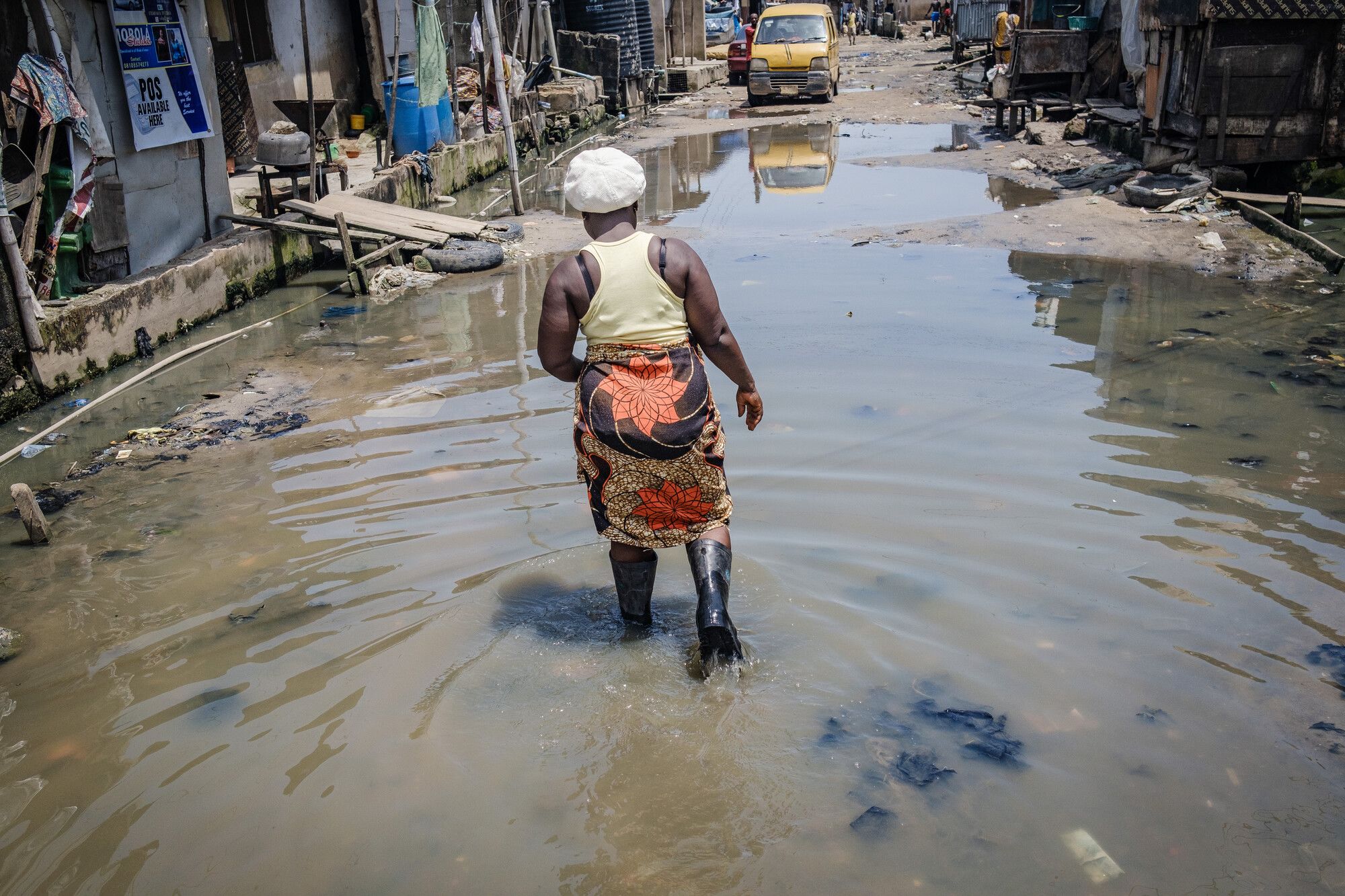
What Is The Impact?

What Is The Solution?


There is no climate justice without gender justice, and there is no just climate transition without the feminist movement. For this reason, we need to ground our transition in radical solutions envisioned by local and feminist grassroots.
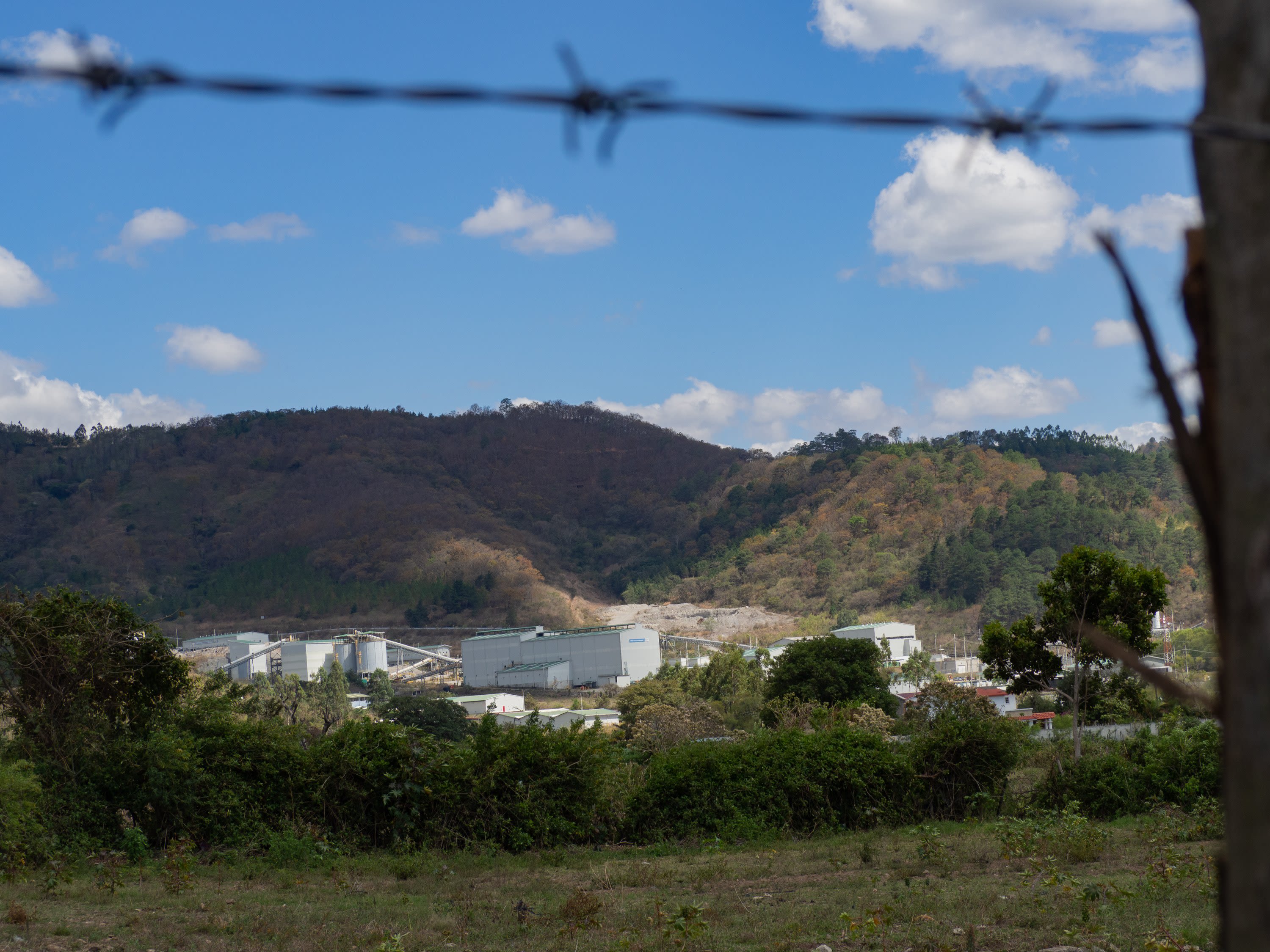
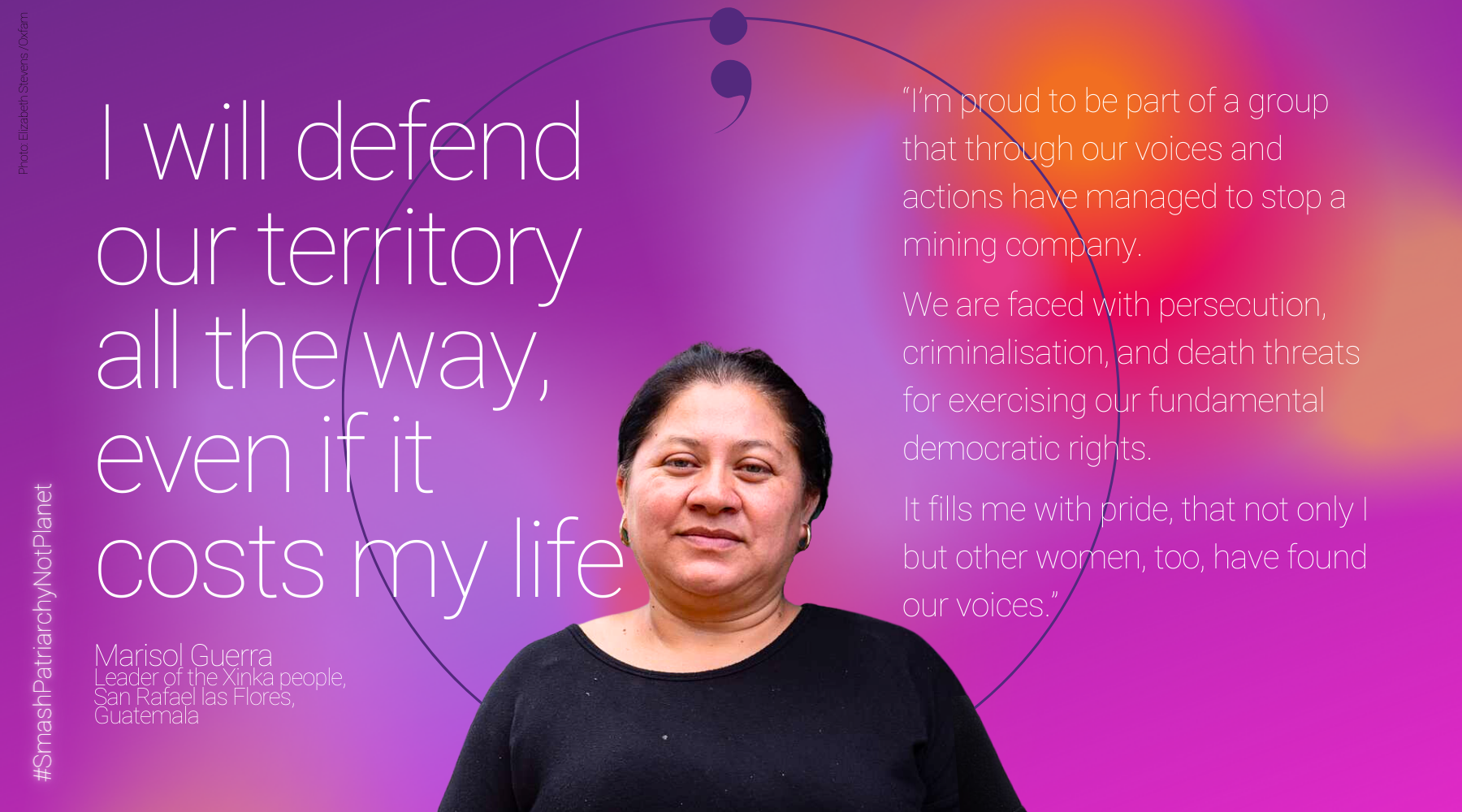
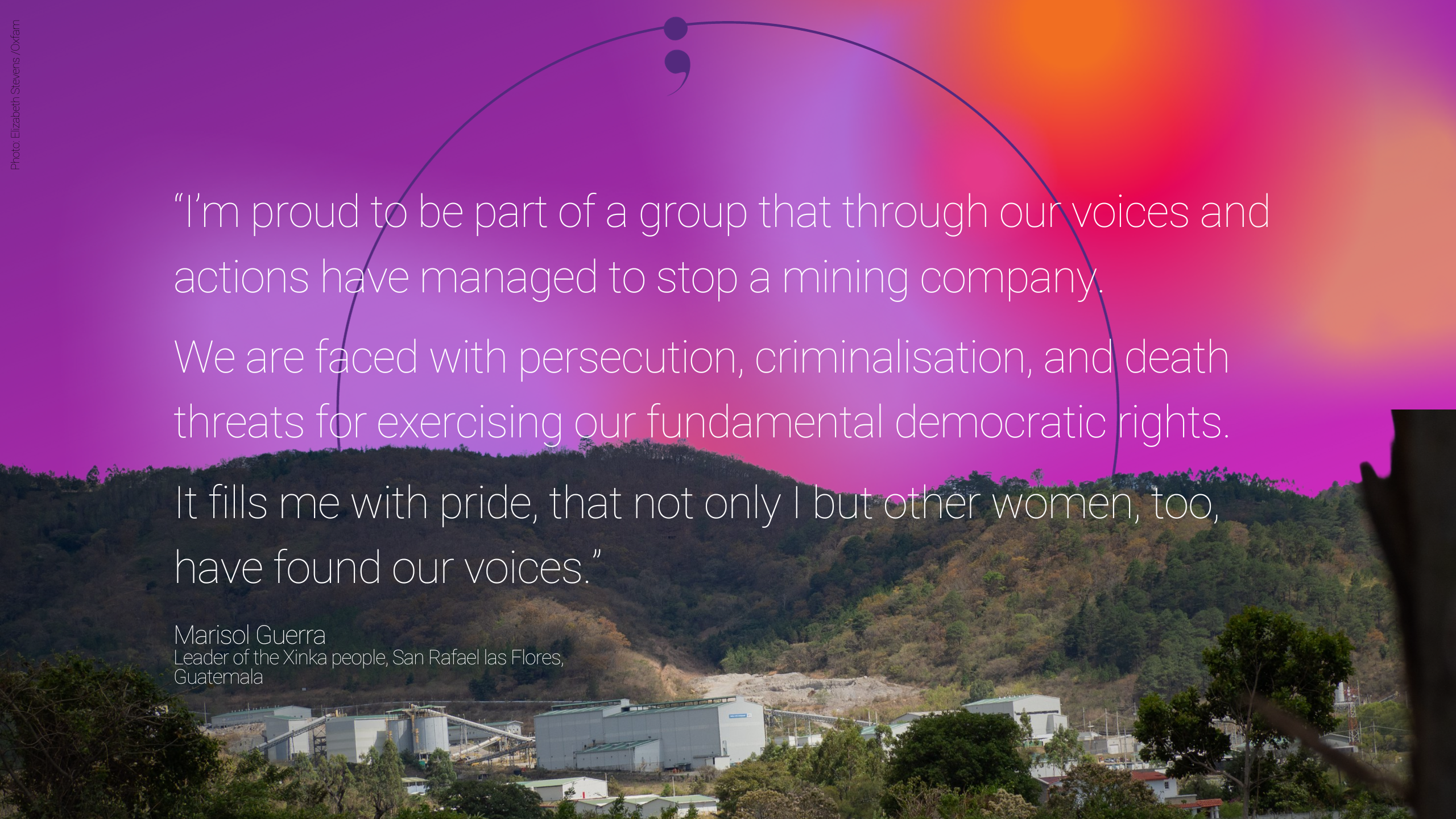
Historically, indigenous women and land defenders have led the resistance for defending bodies, territories, water, nature, and life in all its forms. However, they have been excluded from decision-making regarding natural resource governance, land-based solutions to climate, energy planning, loss and damage, access to climate financing, and all climate action. Women’s community-based and collectively held knowledge and experience should be actively sought in planning for these.
We must enact policies and regulations that address the fundamental power imbalance between a few elite men who dictate policies and the rest of the world, especially individuals with intersecting inequalities, who suffer the impact. In turn, these measures should result in more feminist and just climate policies and equitable societies. Towards this, we need to build alliances between feminist and eco-feminist activists across the world.
We must enact policies and regulations that address the fundamental power imbalance between a few elite men who dictate policies and the rest of the world, especially individuals with intersecting inequalities, who suffer the impact. In turn, these measures should result in more feminist and just climate policies and equitable societies. Towards this, we need to build alliances between feminist and eco-feminist activists across the world.
Human Impact Story



 Built with Shorthand